Guide
How to Build a Garden-Inspired Plate: Modern European Techniques for Home Cooks
Transform fresh seasonal produce into restaurant-quality dishes by mastering the balance of texture, acidity, and color. This guide provides a step-by-step approach to building a modern European garden plate using accessible kitchen tools.
Section 1: The Philosophy of the Garden Plate
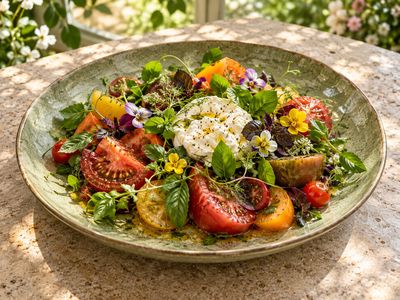
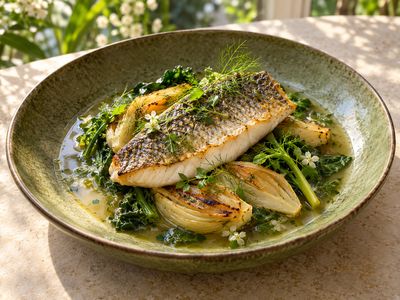
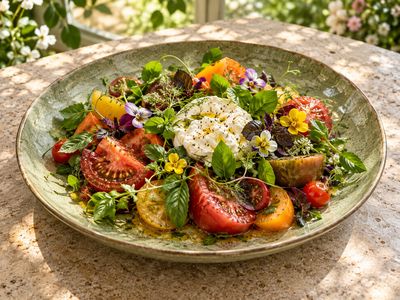
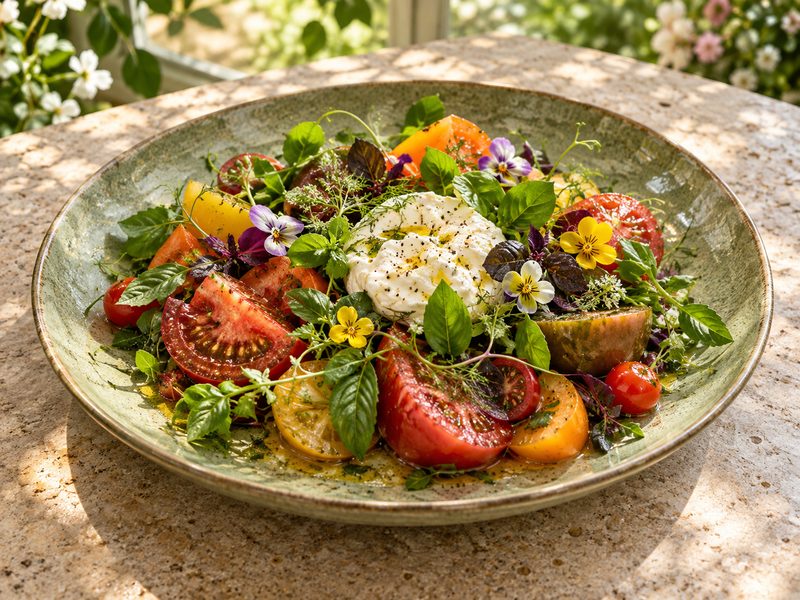
A garden-inspired plate is more than just a salad; it is a thoughtful composition where vegetables are the protagonist. To succeed, you must balance four pillars: a creamy base, a cooked vegetable, a raw/acidic element, and a vibrant herb component. Focus on varying the heights and shapes on the plate to mimic the organic growth of a garden. Use white or earth-toned stoneware to let the natural greens and bright colors of the produce stand out.
Section 2: Component 1 - The Aerated Base (Whipped Goat's Curd)
In a professional kitchen, we might use a siphon for aeration, but home cooks can achieve a luscious texture using a high-speed blender or whisk. Take 200g of fresh goat's curd (or ricotta as a substitute) and 50ml of heavy cream. Season with a pinch of sea salt and a squeeze of lemon. Process for 30-45 seconds until smooth and light. This component provides the fat necessary to carry the flavors of the vegetables and creates a stable foundation for the other elements to rest upon.
Section 3: Component 2 - Precision Pickling for Acidity
Acidity is the lens through which we taste all other flavors. For a garden plate, quick-pickled radishes provide a sharp contrast to the rich curd. Thinly slice 4-5 radishes using a mandoline (set to 1.5mm) or a very sharp knife. Create a pickling liquor by simmering 100ml white balsamic vinegar, 50ml water, 20g sugar, and 5g salt until dissolved. Allow the liquid to cool to room temperature (approx. 25°C) before submerging the radishes. Let them sit for at least 15 minutes. Using cold liquor ensures the radishes retain their structural crunch rather than becoming soft.
Section 4: Component 3 - Technique: The Perfect Blanched and Charred Asparagus
The centerpiece is seasonal asparagus. Bring a large pot of salted water to a rolling boil (100°C). Prepare an ice bath nearby. Blanch 8-10 trimmed asparagus spears for exactly 2 minutes. Immediately plunge them into the ice bath for 3 minutes to stop the cooking and lock in the bright green chlorophyll. Pat them completely dry—this is crucial for the next step. Heat a cast-iron skillet over high heat until it just begins to smoke. Lightly coat the spears in neutral oil and char them for 60-90 seconds, turning once. This provides a smoky depth without overcooking the interior.
Section 5: Component 4 - Vibrant Herb Oil
Herb oils provide a concentrated 'garden' aroma. Blanch 50g of flat-leaf parsley and 50g of chives for 10 seconds, then shock in ice water. Squeeze out every drop of moisture using a clean kitchen towel. Blend the herbs with 150ml of neutral grapeseed oil for 2 minutes on high speed. To mimic a professional finish without a laboratory centrifuge, strain the mixture through a coffee filter or a double layer of muslin cloth overnight in the fridge. The resulting oil will be crystal clear and neon green.
Section 6: Final Assembly and Plating
Start by placing a generous spoonful of the whipped curd just off-center. Use the back of the spoon to create a 'swoosh' or a well. Arrange three charred asparagus spears across the curd, varying their angles. Interspersing the pickled radishes between the spears, propping some up vertically for height. Garnish with fresh pea shoots or dill fronds. Finally, drizzle the herb oil around the base and finish with a sprinkle of Maldon sea salt. Serve immediately while the asparagus is still warm and the curd is cool.