Guide
Mastering Tasting Menus: Modern European Techniques for Home Cooks
Transitioning from a standard three-course meal to a multi-course tasting menu requires a shift in mindset from volume to nuance. This guide explores how to balance acidity, texture, and seasonal produce to create a cohesive dining experience in your own kitchen.
The Philosophy of the Tasting Menu
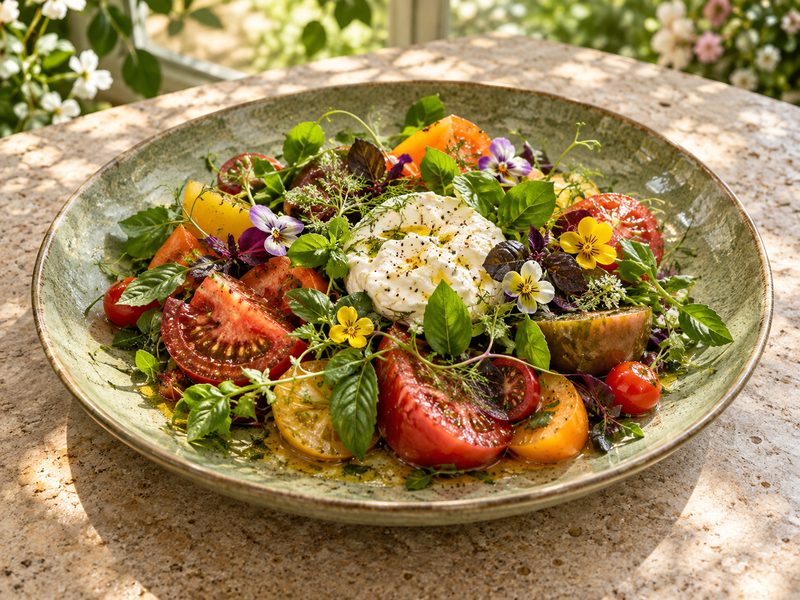
A successful tasting menu is a narrative. Rather than overwhelming the guest with one large protein, focus on a series of vignettes that highlight seasonal ingredients. The key is balance: each dish must provide a different sensory experience, alternating between rich and light, crunchy and soft, and warm and cold.
Recipe: Charred Garden Carrots with Cultured Cream and Herb Emulsion
This dish serves as an ideal intermediate course. It emphasizes a 'root-to-stem' philosophy, using the carrot tops for a vibrant oil and the roots as the star, balanced by the sharp acidity of pickled mustard seeds and the richness of cultured cream.
Component 1: The Acid – Pickled Mustard Seeds
In a small saucepan, combine 50g yellow mustard seeds, 100ml white wine vinegar, 50g sugar, and a pinch of salt. Bring to a simmer over medium heat (approx. 90°C) and cook for 12 minutes until the seeds are plump and the liquid is syrupy. This provides the essential 'pop' of acidity needed to cut through the fat of the cream.
Component 2: The Herb – Carrot-Top Pesto
Blanch 100g of washed carrot tops and 20g of parsley in boiling salted water for 30 seconds, then immediately shock in ice water. Squeeze out all moisture. Blend with 60ml of neutral oil and a squeeze of lemon until smooth. Technique Tip: If you do not have a high-powered blender, finely mince the blanched herbs and whisk them into the oil for a rustic but effective 'pistou' finish.
Component 3: The Star – Roasted Heritage Carrots
Preheat your oven to 200°C. Toss 500g of small, scrubbed heritage carrots with olive oil and sea salt. For a restaurant-quality finish, sear them in a hot dry skillet for 2 minutes to achieve a deep, caramelized char, then transfer to the oven for 12–15 minutes until tender but still holding a slight 'snap' in the center.
Assembly and Texture
To plate, swipe a spoonful of cold crème fraîche (the cultured cream) across the base of a warmed plate. Arrange three carrots off-center. Drizzle the herb oil around the cream, and finish with a teaspoon of the pickled mustard seeds and a few toasted sunflower seeds for crunch. The temperature contrast between the warm carrots and cold cream is a hallmark of professional plating.